In the evolving world of workwear, footwear holds a special position. Shoes are not merely a finishing touch to an outfit—they carry us through our commutes, long workdays, business meetings, and post-office dinners. And in today’s fast-paced, comfort-conscious, style-aware society, professionals are demanding more from their shoes than ever before. The days of enduring pinched toes, blistered heels, and clunky orthotic inserts are fading fast. Instead, a new generation of footwear is redefining what it means to look sharp without sacrificing comfort.
This essay explores the modern intersection of comfort and professionalism in shoes. It delves into why the demand for hybrid footwear is growing, how designers are responding, and what styles have emerged as essential for those who want to feel as good as they look. Whether you’re navigating boardrooms or coworking spaces, the right pair of shoes can be both your fashion statement and your daily support system.
The Shift Toward Functionality in Fashion
Not too long ago, many professionals—particularly women—felt obligated to trade comfort for the appearance of seriousness. High heels were seen as a sign of polish and authority. Oxfords and loafers, often stiff and unsupportive, were expected standards for men. But as work culture evolves—driven by startups, remote flexibility, wellness awareness, and changing attitudes toward personal style—so too have our expectations for what professional attire entails.
Comfort is no longer a luxury; it’s a necessity. Professionals are more mobile, spending hours on their feet or switching locations throughout the day. Footwear that can’t keep up simply won’t do. The pandemic further accelerated this shift: after spending months in socks or sneakers, workers returning to the office found it hard to justify uncomfortable shoes for the sake of “looking the part.” In this new context, the fusion of comfort and professionalism is no longer niche—it’s essential.
Anatomy of a Comfortable, Professional Shoe
What exactly makes a shoe both stylish and wearable for eight hours or more? The answer lies in thoughtful design and advanced materials. Here are the components that define today’s best professional shoes with comfort built in:
- Arch Support and Cushioning
Gone are the days when orthotic-level support meant unattractive footwear. Brands now integrate memory foam, EVA soles, gel inserts, and contoured footbeds into sleek designs. These features reduce foot fatigue and promote better posture, making long meetings or conference days more manageable. - Flexible Construction
Modern professional shoes use lightweight and breathable materials such as knit uppers, stretch leather, or engineered mesh. This allows the foot to move naturally while maintaining the structured look of a dress shoe or flat. - Durable, Non-Slip Outsoles
Grip and shock absorption are no longer just features of athletic sneakers. Office-ready shoes now come with rubber or hybrid outsoles that prevent slipping on smooth floors and absorb impact during extended wear. - Minimal Seams and Thoughtful Fit
To prevent blisters or pressure points, new-generation shoes reduce internal seams and design with anatomical precision. The result? A shoe that feels like a second skin but looks boardroom-ready.
Women’s Footwear: Comfort Without Compromise
For women, the transformation in professional shoes has been particularly profound. While heels still have their place, they’re no longer the only path to a polished look. Here are some top choices blending grace with groundedness:
- Block Heels and Kitten Heels
These offer a modest lift without putting pressure on the balls of the feet. Paired with cushioned soles and padded linings, they offer elegance without instability. - Loafers and Smoking Slippers
Modern loafers in soft leather or suede offer chic appeal with slip-on convenience. Many feature arch support, hidden elastic panels, and anti-microbial linings for all-day wear. - Ballet Flats with Tech Upgrades
Forget the paper-thin ballet flats of old. Today’s versions feature reinforced soles, heel padding, and breathable linings while maintaining their streamlined profile. - Fashion Sneakers
With the rise of “business casual” and fashion-forward dress codes, minimalist leather or canvas sneakers have become office-appropriate when styled well. Brands like Common Projects, Vionic, and Everlane offer sleek designs that work under tailored trousers or dresses.
Men’s Footwear: Evolving the Formal Foundation
Men’s professional shoes have historically leaned toward tradition: leather oxfords, brogues, or derbies. While these remain timeless, the comfort revolution has elevated options across the board.
- Dress Sneakers
These are not your gym shoes. They blend the clean lines of formal footwear with the comfort of athletic soles. Think leather uppers, tonal laces, and supportive insoles. Perfect for startups or smart-casual offices. - Modern Loafers
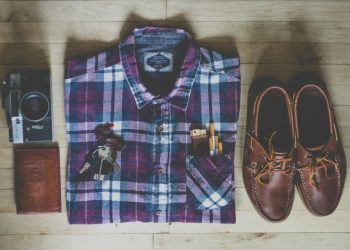
Slip-on styles with rubberized soles and cushioned footbeds are replacing stiff penny loafers. These shoes offer a clean silhouette with significantly less break-in time and more comfort underfoot. - Hybrid Oxfords
Some brands now craft oxfords with sneaker-like soles, breathable linings, and flexible leather that mold to the foot. They preserve the professional appearance while delivering all-day wearability. - Chelsea Boots and Chukkas
Well-fitted ankle boots in polished leather or suede provide ankle support and warmth for cooler months, while offering a sleek profile that transitions easily from formal meetings to after-hours events.
Key Brands Leading the Movement
Numerous brands are carving a niche in the comfort-meets-professionalism space. While legacy labels are adapting, several newer names are entirely focused on this hybrid approach:
Allbirds: Known for sustainability and soft, breathable wool materials, their Tree Breezer flats and leather sneakers are favored by creatives and professionals alike.
Rothy’s: Their machine-washable, recycled-material flats are a favorite among women seeking style, comfort, and sustainability.
Cole Haan: Once known for traditional styles, they now offer “ZERØGRAND” oxfords and loafers—hybrids with sneaker tech and business aesthetics.
Ecco and Clarks: Long-time comfort champions that now offer modern silhouettes suited for today’s office environments.
Amberjack: A newer men’s brand blending premium Italian leather with athletic outsoles and arch support, designed specifically for long office days.
Styling Tips: Merging Comfort Shoes Into Your Office Look
Just because your shoes are comfortable doesn’t mean they have to scream “orthopedic.” Here’s how to seamlessly integrate comfort-forward shoes into your professional wardrobe:
Tailoring Matters: A slim pant leg, ankle crop, or tapered silhouette helps showcase modern shoes while maintaining structure.
Monochrome Pairings: Matching your shoe color with your trousers or skirt can elongate the silhouette and create a cohesive look.
Texture Play: Suede loafers or matte leather sneakers add visual interest without overpowering your outfit.
Minimalism Wins: Stick with classic designs and subtle details—pointed toes, clean stitching, tonal soles—for maximum versatility.
The Bigger Picture: Health and Productivity
There’s also a health dimension to this trend. Poorly designed footwear contributes to a host of physical issues—back pain, plantar fasciitis, knee strain—which can affect focus and productivity. Comfortable, supportive shoes aren’t indulgent; they’re a wellness investment.
Moreover, when professionals feel physically at ease, confidence and efficiency tend to follow. A worker who doesn’t dread walking a few extra blocks or standing during a presentation is more likely to stay engaged and energized throughout the day.