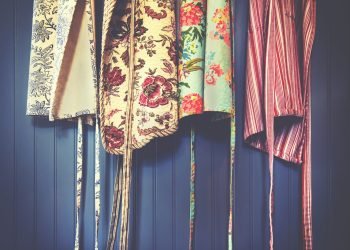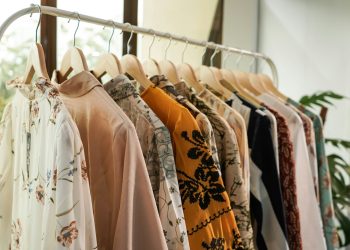
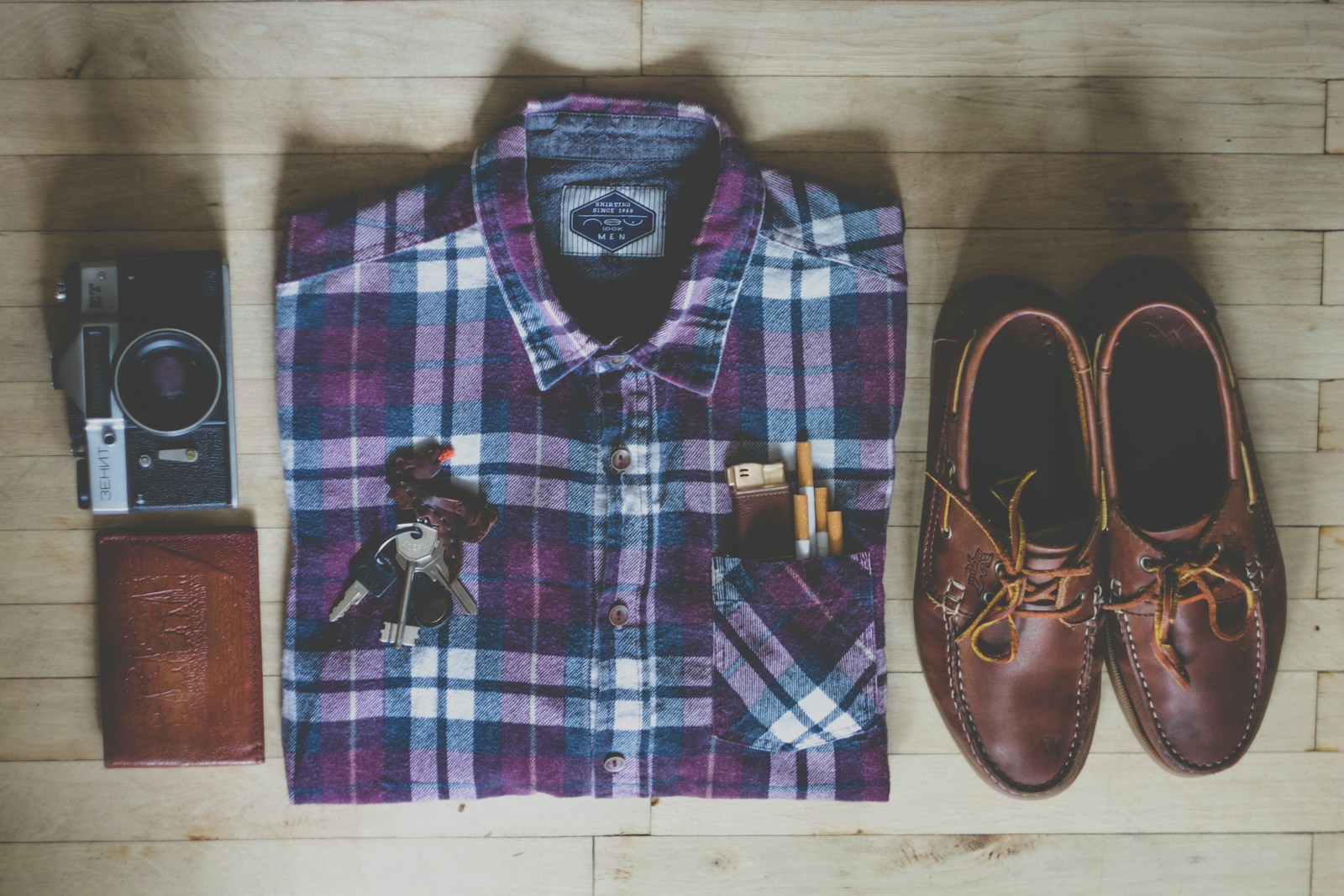
Once reserved for the realm of casual style and artistic experimentation, mixing prints has confidently stepped into the boardroom—and it’s rewriting the rules of professional dress. Once viewed as a risky sartorial move, pairing patterns is now seen as a bold expression of style and modern authority. In an era where personal branding is as essential as a well-tailored blazer, embracing mixed prints offers a refreshing alternative to the usual neutrals and solids of traditional workwear. It signals confidence, creativity, and a mastery of fashion that respects the setting without compromising personality.
“Mixing Prints with Professional Polish” isn’t about throwing on stripes with florals and hoping for the best. It’s about balance, strategy, and subtle rebellion. This new office-ready take on print mixing allows individuals to break free from the monotony of gray slacks and navy blouses, while still projecting sophistication and competence. The result? Outfits that are memorable, expressive, and entirely appropriate for 9-to-5 and beyond.
The Evolution of Professional Dress Codes
The traditional dress codes of corporate environments were built around uniformity—navy suits, white shirts, and the occasional pinstripe. These standards were intended to communicate seriousness, order, and credibility. But as workplace culture evolves, especially in creative industries, tech startups, and hybrid workspaces, the definition of “professional” is undergoing a radical transformation.
With the decline of strict dress codes and the rise of “business casual” and even “power casual,” there’s more room for personality in the workplace. Employees are now encouraged—explicitly or implicitly—to show up as their full selves, and that includes how they dress. Mixing prints offers a visual shorthand for individuality while still maintaining control and intentionality.
This doesn’t mean that anything goes. The challenge lies in creating an outfit that’s expressive but elegant—one that demonstrates flair without sacrificing function or focus. That’s where the art of professional print mixing comes in.
Understanding the Language of Prints
Before diving into mixing, it’s essential to understand the foundational “language” of prints. Not all prints are created equal, and knowing how to read and interpret them is key to creating combinations that feel deliberate and elevated.
- Classic Prints
These are the reliable building blocks of any professional wardrobe: pinstripes, plaids, polka dots, houndstooth, and subtle geometrics. These prints tend to be symmetrical, repetitive, and often come in neutral palettes, making them easier to pair. - Organic Prints
Florals, paisleys, animal prints, and abstract brushstrokes fall into this category. They bring softness, movement, and a less structured feel. These often work well as accent prints in professional settings, especially when tempered by tailored silhouettes. - Novelty and Statement Prints
These include bold graphic motifs, illustrations, or typography. While they may be more casual, incorporating one of these into a print-mixed look can make a statement if balanced correctly with classics.
Principles of Mixing with Polish
The key to mastering print mixing in a professional setting is understanding how to create harmony out of contrast. Here are the main principles that keep print-mixed outfits office-ready:
- Stick to a Cohesive Color Palette
When combining multiple prints, unifying them with a shared color family keeps the look cohesive. For example, pairing a navy pinstripe blazer with a blouse that features navy polka dots—even if the base color is different—ties the outfit together visually. Muted tones, jewel tones, and earth tones are especially forgiving in professional settings. - Vary the Scale
Pair prints of different scales to create visual balance. A large floral print blouse can be grounded by a micro-check pencil skirt. This contrast in scale ensures that the prints complement rather than compete with each other. - Anchor with Structure
Silhouette matters. Even the most vibrant print can look polished if it’s tailored. Structured blazers, sharp trousers, and streamlined midi dresses provide the architectural backdrop for bolder pattern play. When in doubt, pair your print mix with a classic structured piece like a trench coat or crisp button-down to ground the look. - Use Neutrals as a Buffer
Introducing solid neutrals into a print-mixed outfit gives the eye a place to rest and adds sophistication. For instance, a leopard blouse paired with a houndstooth skirt can be anchored by a black blazer, nude pumps, or a tan leather tote. - Repetition Creates Intentionality
Repeating a print or color subtly within an outfit can reinforce the idea that the mixing is deliberate. For instance, a polka dot scarf can tie into a smaller dotted pattern on your shoes or bag, signaling coordination rather than chaos.
Print-Mixing Staples for the Office
Some wardrobe pieces are more conducive to print mixing while maintaining professionalism. Here are essentials that offer versatility and polish:
Striped Button-Down Shirts
These are print-mixing MVPs. Their linear structure pairs well with florals, plaid, or animal prints, and they work seamlessly under blazers or cardigans.
Patterned Midi Skirts
A floral or geometric midi skirt can be paired with a more restrained top (think pinstriped blouse or a knit with subtle texture) for a balanced look.
Tailored Trousers in Subtle Prints
Windowpane checks or faint houndstooth offer a printed base that can be elevated with a bold top or accessories.
Patterned Blazers
Whether it’s plaid, glen check, or even a dotted motif, a patterned blazer instantly adds dimension. Pair with a soft print blouse or contrast with a striped top.
Silk Scarves
An excellent entry point for beginners. Adding a printed scarf to a mostly solid outfit allows for playfulness without overpowering the look.
Seasonality and Print Mixing
Seasonal considerations also play a role in which prints feel appropriate and how they’re styled:
Spring/Summer:
Lighter florals, soft polka dots, and pastel plaids pair beautifully in warm months. Keep silhouettes flowy but refined—shirt dresses, culottes, and short-sleeved blouses in breathable fabrics.
Fall/Winter:
This is the time for heavier prints like herringbone, tartan, and darker florals. Wool trousers with microchecks, layered over a floral blouse and under a camel coat, exude professionalism with flair.
The Psychology of Pattern in the Workplace
Prints do more than decorate an outfit—they send subtle psychological cues. Stripes and checks suggest order and logic. Florals convey creativity and openness. Animal prints, when used sparingly, hint at boldness and confidence. The way we mix these signals our emotional intelligence and our ability to manage contrast, both visually and interpersonally.
This is especially relevant for those in leadership roles or client-facing positions. Wearing mixed prints thoughtfully can help project charisma and a balanced blend of approachability and authority.
Navigating Industry Norms and Dress Codes
While print mixing is becoming more accepted, it’s important to consider your specific professional context. Finance, legal, and formal corporate environments may require more restraint—perhaps a subtle print-on-print tie and shirt combo or a textured blouse under a classic suit.
Creative industries—marketing, publishing, tech—are more open to experimentation. Here, a bold print dress layered under a striped blazer, or graphic trousers with a soft floral top, can signal innovation and style savvy.
The key is always to dress with intentionality. Let your prints speak, but make sure they speak the right language for your environment.