
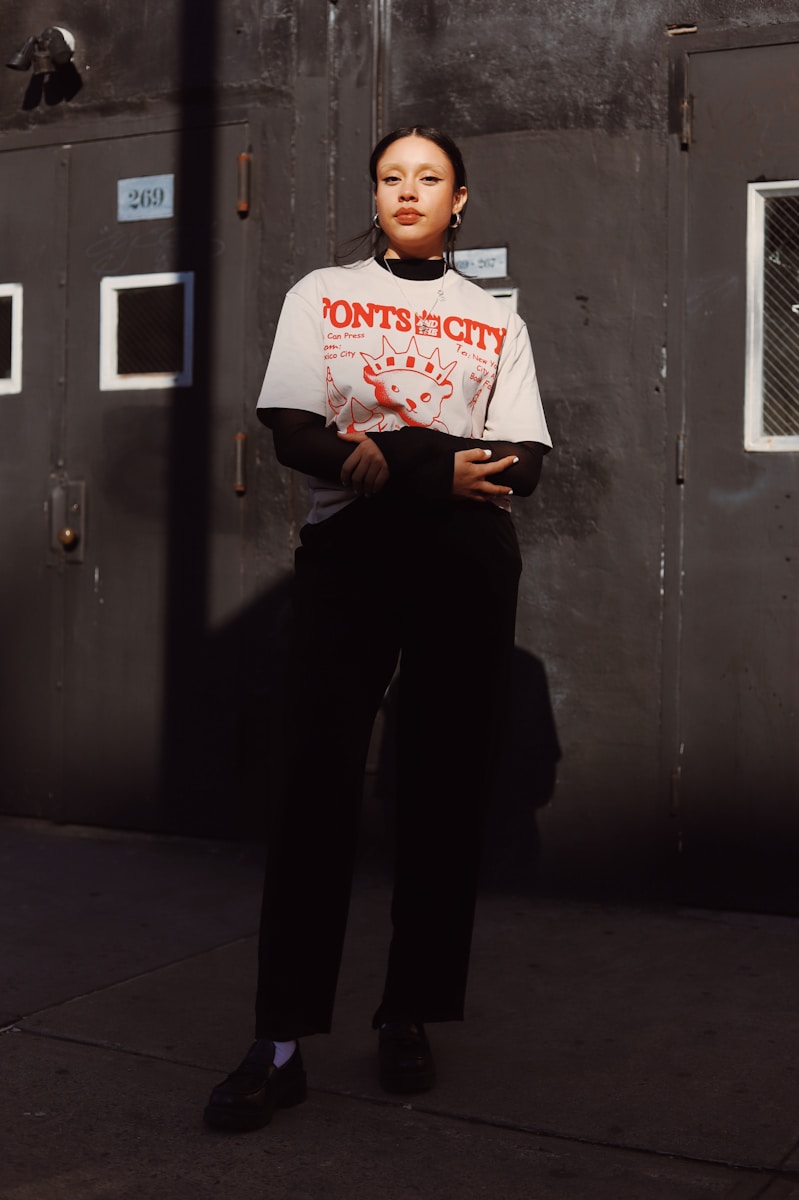
In the dynamic landscape of contemporary fashion, the power suit stands tall—not just as a trend, but as a timeless symbol of confidence, control, and unapologetic presence. More than mere garments, power suits are cultural statements, quietly declaring ambition, style, and authority without uttering a word. Whether worn by a high-powered executive, a modern creative, or someone simply seeking sartorial self-assurance, the power suit has become one of the most democratic tools for personal empowerment in the fashion world.
Yet, no matter how exquisite the fabric or iconic the designer, a power suit’s impact hinges on its fit. Tailoring is the unsung hero of power dressing, transforming an off-the-rack blazer into a second skin and ensuring that every line flatters, commands, and communicates strength. In this essay, we explore the evolving identity of the power suit, delve into the art of tailoring for every body and occasion, and outline key strategies to harness the full transformative power of this enduring wardrobe staple.
The Cultural Resonance of the Power Suit
To understand the significance of tailoring, it helps to reflect on what the power suit represents. Its history is rooted in reinvention—from its military and aristocratic origins to its adoption by women in the workforce and its present-day role as a gender-neutral fashion weapon.
In the 1980s, power suits surged in popularity among professional women aiming to assert their presence in traditionally male-dominated spaces. Shoulder pads, structured silhouettes, and dark, serious tones were more than aesthetic choices—they were tools of cultural navigation. Fast-forward to today, and the power suit has shed many of its rigid expectations. Now, it’s about self-expression as much as professionalism: think vivid colors, exaggerated tailoring, unexpected textures, and playful accessories.
But one thing has remained constant: the power suit is only powerful when it fits right.
Why Tailoring Matters: The Fit Is the Message
A suit that fits properly does more than flatter—it communicates purpose. Tailoring is about proportions, posture, and polish. An ill-fitting suit can undermine confidence, while one that hugs in all the right places instantly lifts both shoulders and spirits.
Tailoring transforms a suit into a personalized experience. It accommodates your individual posture, enhances your body’s strengths, and smooths over irregularities. It ensures that your clothes don’t just fit—they align with your energy, your movement, and your goals.
This principle applies regardless of your gender, size, or style preferences. Whether your power suit is oversized and deconstructed or fitted and sculptural, tailoring bridges the gap between garment and identity.
Key Tailoring Tips for the Perfect Power Suit
- Start with Structure
The foundation of any power suit is its structure. Look for blazers with a strong shoulder line—this doesn’t always mean padded, but it should sit squarely on your frame without slouching or pulling. The shoulder seam should end exactly where your shoulder does. From there, tailoring should reinforce the jacket’s shape without restricting movement.
Trousers or skirts should follow the line of your body without clinging. For pants, a mid- or high-rise cut flatters most body types and can elongate the legs when paired with the right hemline.
- Get the Sleeve and Hem Lengths Right
Small details like sleeve and pant length make a huge difference. Jacket sleeves should hit just above the wrist bone, allowing about a half-inch of shirt cuff to peek through. If the sleeve covers your hand or bunches at the elbow, it’s time for a hem.
For trousers, aim for a clean break at the top of your shoe. Cropped pants should hit just above the ankle for a contemporary look. Skirt hems should fall just above or below the knee unless you’re opting for a midi silhouette, which should hit mid-calf.
- Customize the Waist
A cinched waist is one of tailoring’s greatest tools. Even in oversized styles, subtle waist shaping provides balance and elegance. Your jacket should follow the natural curve of your body without pulling across the bust or hips. In two-piece suits, this creates a harmonious silhouette—structured but not stiff, sleek but not tight.
Tailors can also add or remove darts, take in side seams, or shift buttons to contour the waist without compromising the suit’s drape.
- Mind the Shoulder Pads and Lining
Shoulder pads can make or break a blazer. In vintage or mass-produced suits, they’re often overdone or poorly placed. If a suit looks bulky at the top, consider having the pads replaced with slimmer versions or removed entirely for a more modern, streamlined look.
Similarly, a good lining helps the suit maintain its shape while allowing ease of movement. Fully lined jackets offer durability and structure; half-lined or unlined ones can be lighter and cooler for warmer seasons.
- Tailor with Purpose, Not Perfection
Tailoring should reflect how you actually move through the world. Sit, walk, and stretch in your suit before finalizing adjustments. A suit isn’t meant to fit like a statue; it should respond to your body. Comfort is confidence. After all, a power suit should empower—not imprison—you.
Fabric, Color, and Cut: Choosing the Right Suit for You
While tailoring is essential, starting with the right fabric and silhouette ensures a stronger foundation. For traditional power dressing, wool and wool blends remain a gold standard, offering breathability, structure, and longevity. For warmer months or fashion-forward expressions, linen blends, silk, or even neoprene suits add intrigue and seasonality.
Color also contributes to the message your suit sends. Navy, charcoal, and black remain timeless for corporate settings, while jewel tones (emerald, burgundy, sapphire), pastels, and whites offer softer—but no less commanding—alternatives. Don’t shy away from unexpected patterns, pinstripes, or even bold florals if it aligns with your identity and context.
When it comes to cuts, double-breasted blazers offer a vintage-inspired authority, while single-breasted versions are more versatile and streamlined. Cropped blazers or flared trousers can inject modernity, while tapered cuts lean toward classic refinement.
Styling Beyond the Suit: Accessories and Layering
The power suit doesn’t end at tailoring—it’s amplified by the details you pair it with. Crisp collared shirts lend gravitas, but a fitted turtleneck, silk blouse, or even a graphic tee can shift the mood entirely. For a softer aesthetic, swap shirts for camisoles or bralettes beneath open jackets.
Footwear should align with the tone of the suit: heels or brogues elevate, while loafers or sneakers add casual cool. Jewelry can accentuate without distracting—consider structured earrings, a bold cuff, or a sleek watch.
Belts can further define the waist, while pocket squares or lapel pins offer flair. And for a final touch, the right bag—structured, clean-lined, and complementary—ties everything together.
The Emotional Fit: How Tailoring Builds Confidence
Tailoring is not just about altering fabric—it’s about transforming posture, psychology, and presence. When you wear a well-fitted suit, you stand taller. You feel seen. You enter a room not just as someone occupying space, but as someone who owns it.
This emotional fit is what truly defines a power suit. It’s why tailoring matters just as much as color or cut. It’s not about conforming to a standard of beauty—it’s about reinforcing your sense of self through intentional design.
The Power Suit, Reimagined for All
In today’s fashion landscape, the power suit has transcended gender, age, and industry. It’s been reimagined for all identities and expressions—worn by musicians on stage, activists on podiums, designers in studios, and students on their first job interview.
What unites them is tailoring. Because when your suit fits, you feel ready. Ready to lead, speak, work, dream, disrupt, or simply be.