Fashion is a language—one where textures, silhouettes, and colors combine to articulate personal expression. Among all wardrobe elements, few speak as boldly as the statement coat. More than a practical necessity, a statement coat turns sidewalks into runways, gray skies into backdrops, and cold mornings into opportunities for style storytelling. Yet, styling one isn’t as simple as throwing it on and heading out. True fashion fluency lies in the art of layering—harmonizing bold outerwear with an ensemble that balances, enhances, or plays off its statement.
This essay explores how to layer statement coats with intentionality and flair. Beyond the basics of warmth and coordination, it dives into silhouette strategies, proportion play, color theory, fabric contrasts, and cultural shifts that have propelled coat layering from utilitarian habit to a fashion-forward performance.
The Rise of the Statement Coat
The concept of a statement coat is rooted in the idea that outerwear can dominate an entire outfit. Unlike a neutral trench or a simple puffer, a statement coat demands attention—whether through print, structure, embellishment, or hue. Think: a cherry-red wool wrap coat, an oversized houndstooth duster, or a sequined cropped parka. These are coats that say something before you’ve even spoken a word.
Historically, outerwear was about protection from the elements, not personality. But as cities became colder stages for fashion and street style rose in cultural relevance, coats evolved from background players to the centerpiece of a look. Influencers, fashion editors, and everyday style leaders began choosing outerwear not to blend in but to stand out.
Layering as a Fashion Skillset
Layering is often misunderstood as merely stacking clothing for insulation. In reality, it’s a sophisticated technique that balances volume, color, and visual interest. When done well—especially with a statement coat—it becomes a form of artistic composition.
To layer effectively with a statement coat, you must understand its role: it is the lead actor, and everything beneath is supporting cast. However, like any great production, the success of the star depends on the ensemble. Here’s how to direct that performance.
- Start with the Silhouette
A statement coat often comes with an exaggerated shape—cocooning, cinched, oversized, or sharply tailored. Your base layers should complement rather than compete. For example:
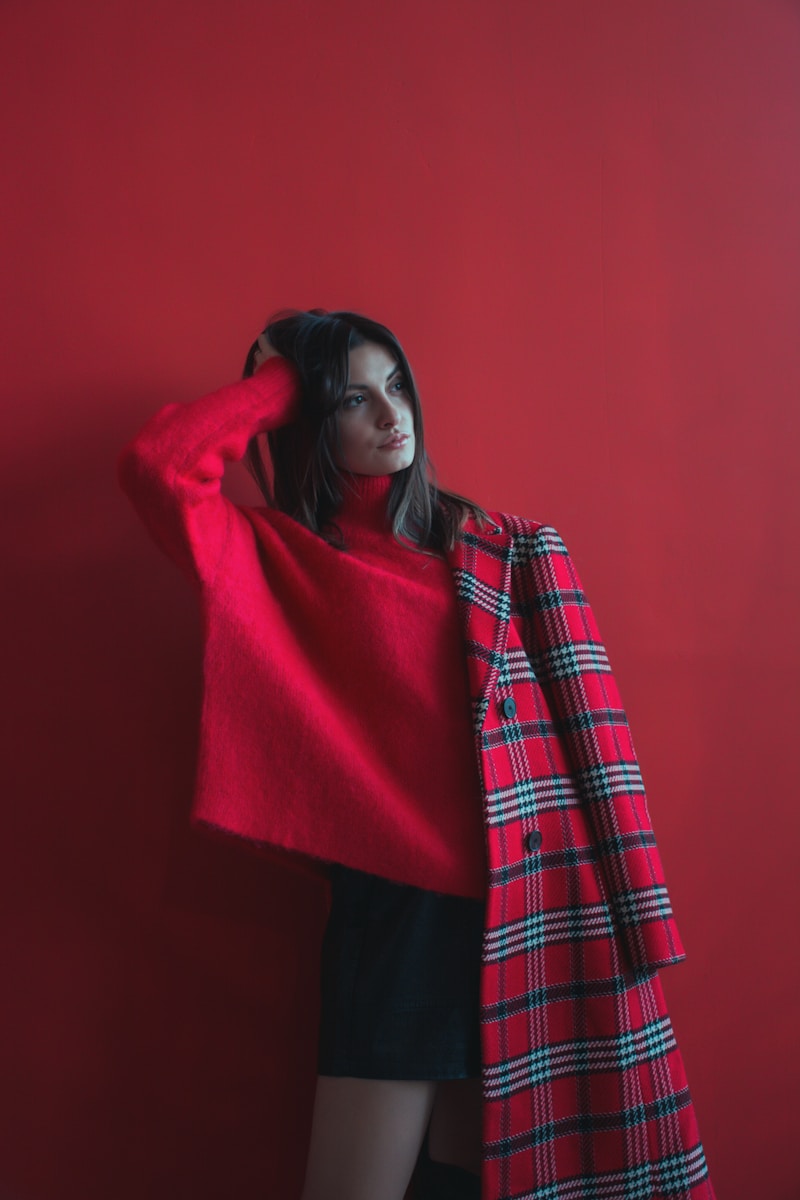
Oversized coat: Streamline the underlayers. A turtleneck tucked into high-waisted pants or a sleek sweater dress keeps proportions clean and lets the coat’s volume speak.
Structured coat with strong shoulders: Embrace minimal, architectural layers—a monochrome jumpsuit or column dress enhances the coat’s sharp lines.
Long duster-style coat: Try mid-length or cropped layering underneath to avoid a visually heavy outfit.
Think of silhouette as spatial harmony. Volume up top? Streamline below. Elongated outerwear? Offset with texture or layers that break the vertical flow. Proportion is everything.
- Balance Bold with Subtle or Bold with Bold
There are two ways to approach statement layering: tonal support or intentional clash.
Tonal Support: Let the coat shine. Choose base pieces in muted tones or monochrome palettes. If the coat is patterned or textured, keep the inside layers matte and solid. This method feels effortless, elevated, and editor-approved.
Bold on Bold: This is advanced styling—and thrilling when executed well. Pair a leopard-print coat with neon accents or a plaid wool coat over a striped knit. The key is harmony through contrast: find a common thread (like color temperature or print scale) that ties the look together.
This form of layering, championed by modern style influencers and maximalist icons alike, makes the outfit feel alive and dynamic. Just be sure to maintain coherence with one anchoring element—whether it’s a color family, shape, or texture.
- Texture Play
Layering is not just visual—it’s tactile. Mixing textures adds depth, especially under a standout coat. Imagine pairing a silky blouse with a boucle or shearling coat, or layering chunky knits under slick patent leather.
Some standout combinations include:
Velvet and wool
Satin and faux fur
Leather and cashmere
Denim and teddy fleece
Using contrasting textures prevents your coat from overpowering the look. Even when colors are muted, these pairings create sensory richness that keeps the outfit engaging.
- Embrace Mid-Layers
A common mistake is underestimating the mid-layer—a vest, blazer, or cardigan that bridges your base outfit and your statement coat. This layer adds dimension and serves as a fashionable contingency plan for when the coat comes off indoors.
For example:
A plaid wool blazer under a camel wrap coat gives unexpected structure.
A quilted vest beneath a printed duster offers warmth and a dash of utilitarian chic.
A cropped hoodie under a tailored coat plays with contrasts in both length and formality.
This technique also allows for coat sleeves to drape open or remain unbuttoned, highlighting the mid-layer as part of the visual composition.
- Color Theory in Motion
When layering under a colorful coat, apply color theory to avoid visual overload:
Analogous tones (e.g., rust, mustard, and burgundy) feel harmonious and rich.
Complementary colors (e.g., cobalt coat, orange sweater) can energize a look but require thoughtful balancing.
Neutrals as buffers help modulate brighter pairings—ivory, charcoal, camel, and khaki are your allies.
Layering is like painting: use color blocking, gradients, or pops of contrast to guide the eye and create mood. Don’t just “match”—compose.
- Footwear and Accessories: Anchors of the Look
Your choice of shoes, bags, and accessories either grounds your statement coat or elevates its drama.
Boots are often the most harmonious choice for statement coats—chunky combat styles for oversized looks, sleek ankle boots for tailored shapes.
Scarves can echo the coat’s color or contrast completely; oversized knits, silk wraps, or plaid patterns add narrative layers.
Belts over the coat itself can redefine its silhouette, especially with wrap or robe coats.
Jewelry, hats, and gloves should not compete with the coat but complement its energy. If your coat is metallic, minimal gold accessories might do. If it’s embroidered, a wool beret in a matching hue adds poetry without clutter.
Cultural and Gender Fluid Influences
The resurgence of statement coats coincides with broader shifts in fashion: androgyny, cultural referencing, and individualism. Coats have become canvases for identity.
Gender-fluid fashion has embraced oversized tailoring, longline coats, and hybrid garments—merging masculine and feminine energy in a single piece.
Cultural nods—like kimono coats, tapestry jacquards, or Moroccan silhouettes—infuse depth and heritage into modern wardrobes.
Thrifted and upcycled statement coats are on the rise, with people layering secondhand finds in new, avant-garde ways that challenge fashion hierarchy.
In these contexts, layering becomes more than just dressing—it becomes cultural storytelling.
The Street as Runway: Everyday Editorial
Thanks to street style photography and fashion influencers, what we wear on city sidewalks now holds as much prestige as what walks the catwalk. Layering a statement coat isn’t just about keeping warm—it’s about self-presentation in a world where every moment could be a photo opportunity.
And yet, it’s deeply personal. Unlike trend-driven dressing, layering a statement coat reflects how someone balances visibility with authenticity—how they show up in the world when it’s cold, gray, or anonymous.