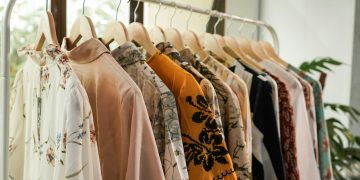

In an age where fashion trends change faster than seasons and online carts overflow with impulse buys, the phrase “fast fashion” often conjures images of overstuffed wardrobes and fleeting trends. However, a growing wave of mindful consumers is reshaping the narrative. Instead of dismissing fast fashion entirely, many are asking a better question: How can we shop smarter within it?
Fast fashion doesn’t have to be synonymous with waste or poor taste. When approached strategically, it can provide accessibility, creativity, and adaptability to modern wardrobes. By identifying the right fast-fashion staples to invest in, shoppers can strike a balance between budget-conscious buys and wardrobe longevity. This essay explores how to rethink fast fashion through a smarter lens—highlighting which items deserve a spot in your closet, how to style them for versatility, and how to build a foundation that feels both trendy and timeless.
Understanding Fast Fashion: The Double-Edged Sword
Fast fashion refers to the rapid production of inexpensive clothing inspired by runway trends. Brands like Zara, H&M, and Shein have become household names by democratizing style, making catwalk-inspired pieces available to the masses at a fraction of the price.
The downside? Environmental harm, unethical labor practices, and overflowing landfills. Still, many shoppers—especially students, early professionals, or those navigating body changes—rely on affordable fashion to stay expressive without financial strain. For these shoppers, the solution isn’t total abstinence—it’s informed investment.
By focusing on the right fast-fashion pieces—those that can be styled multiple ways, endure through trends, and function beyond a single season—consumers can embrace both accessibility and responsibility.
Key Criteria: What Makes a Fast-Fashion Staple Worth Investing In?
Before diving into the “what,” let’s define the “why.” When choosing fast fashion staples to invest in, keep these criteria in mind:
Versatility: Can it be styled up or down? Will it work across different seasons?
Neutrality (or Timeless Appeal): Does it transcend a specific trend cycle?
Fabric & Construction Quality: Is it made from a decent material that won’t fall apart after a wash?
Fit & Flattery: Does it suit your body and lifestyle?
Layering Potential: Can it act as a base or accent for different looks?
With these principles, let’s explore the staples worth your time and money.
- Basic Button-Down Shirts
A well-fitted button-down—white, pastel, or pinstriped—can be one of the most hardworking pieces in any wardrobe. Whether it’s tucked into tailored pants for work, worn open over a crop top for brunch, or layered under a sweater for fall, this item checks every versatility box.
Look for cotton or cotton-blend versions that feel breathable and wash well. Avoid overly trendy embellishments that date the piece.
Styling Ideas:
Tie it at the waist with denim shorts in summer.
Layer under a slip dress for 90s revival vibes.
Pair with a blazer and loafers for a polished office look.
- High-Waisted Trousers and Jeans
High-waisted pants flatter many body types and create endless outfit options. Fast fashion brands often carry trendy silhouettes like paper-bag waists, wide-leg trousers, and cropped flares—all of which can act as foundation pieces when styled intentionally.
When investing in these, check the seams, zippers, and pocket lining. Even affordable pants can look elevated with the right tailoring.
Smart Tip: If you find a fast-fashion trouser you love, consider buying it in two colors—black for formalwear, beige or olive for casual days.
- Minimalist Knitwear
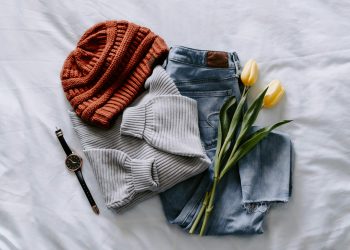
From ribbed tanks to mock-neck sweaters, minimalist knitwear offers warmth, texture, and layering potential. Neutral tones like camel, grey, ivory, and black work across seasons and settings.
Quality does matter here—look for knits that retain shape and avoid pilling. A blend with a small percentage of wool or elastane usually holds better over time than 100% acrylic.
Ways to Use:
Tucked into midi skirts with boots.
Under blazers for effortless sophistication.
Over slip dresses for transitional dressing.
- Oversized Blazers
Structured yet relaxed, oversized blazers can elevate even the most casual outfits. Fast fashion outlets offer countless versions in plaid, solid, and textured fabrics. While tailoring isn’t always top-tier, a slightly oversized fit works in your favor—making the piece appear more “designer” than its price tag.
Stick to classic colors—black, tan, navy—and avoid loud prints unless you’re going for a specific seasonal statement.
Mix It Up:
Wear with a crop top and bike shorts for street-style cool.
Add to a slip skirt and sneakers for urban polish.
Belt it for a more cinched, tailored appearance.
- Basic Tees and Bodysuits
These are the unsung heroes of every wardrobe. A well-fitted tee or bodysuit can serve as the perfect canvas for accessories, jackets, and statement pieces. Fast fashion stores often provide a variety of necklines—scoop, crew, square—that suit different aesthetics.
Look for stretchy, breathable blends with good opacity (you don’t want see-through mishaps after one wash). A quality bodysuit especially streamlines silhouettes under skirts, trousers, and jeans.
Rewear Strategy:
With high-waisted trousers and a chunky necklace.
Tucked into denim with an oversized cardigan.
Layered under a mesh top or sheer blouse.
- Slip Dresses and Skirts
Once reserved for nightwear or formalwear, slip silhouettes have become everyday essentials. A satin midi skirt or simple spaghetti-strap dress can be styled a hundred ways—from layered under sweaters in winter to worn alone with sandals in summer.
These pieces move beautifully and give the illusion of luxury when done right. Choose muted tones like champagne, charcoal, or forest green for maximum versatility.
Wearability Hacks:
Layer with a turtleneck and boots for cold weather.
Pair with a denim jacket and sneakers for daywear.
Add heels and statement earrings for dinner.
- Statement Accessories
Fast fashion excels in trend-driven accessories—scarves, belts, hats, sunglasses, and earrings. While these might not last forever, they offer a cost-effective way to refresh a capsule wardrobe or test new styles.
Just be mindful not to overconsume. Choose items you’ll actually wear and that coordinate with what you already own.
Avoiding the Traps: What Not to Invest In
While fast fashion has its perks, some items are better left alone or approached with caution:
Shoes: They often lack arch support, durability, and proper stitching.
Outerwear with Complex Construction: Trench coats and structured jackets may appear chic online but can feel flimsy in person.
Embellished or Highly Trendy Pieces: Sequins, feathers, and extreme silhouettes may not survive more than a wear or two.
Instead, save splurges for timeless investments like leather boots, wool coats, or artisan jewelry—items that transcend the fast fashion cycle altogether.
Maximizing Longevity: Care Is Key
Even affordable clothes can last if treated well. Wash on gentle cycles, hang dry, and store knits folded rather than hung. Invest in a handheld steamer and fabric shaver to keep pieces looking fresh.
Moreover, consider tailoring. A $30 pair of trousers can look like a $130 one if it fits like a glove. Minor alterations go a long way in elevating fast fashion finds.