
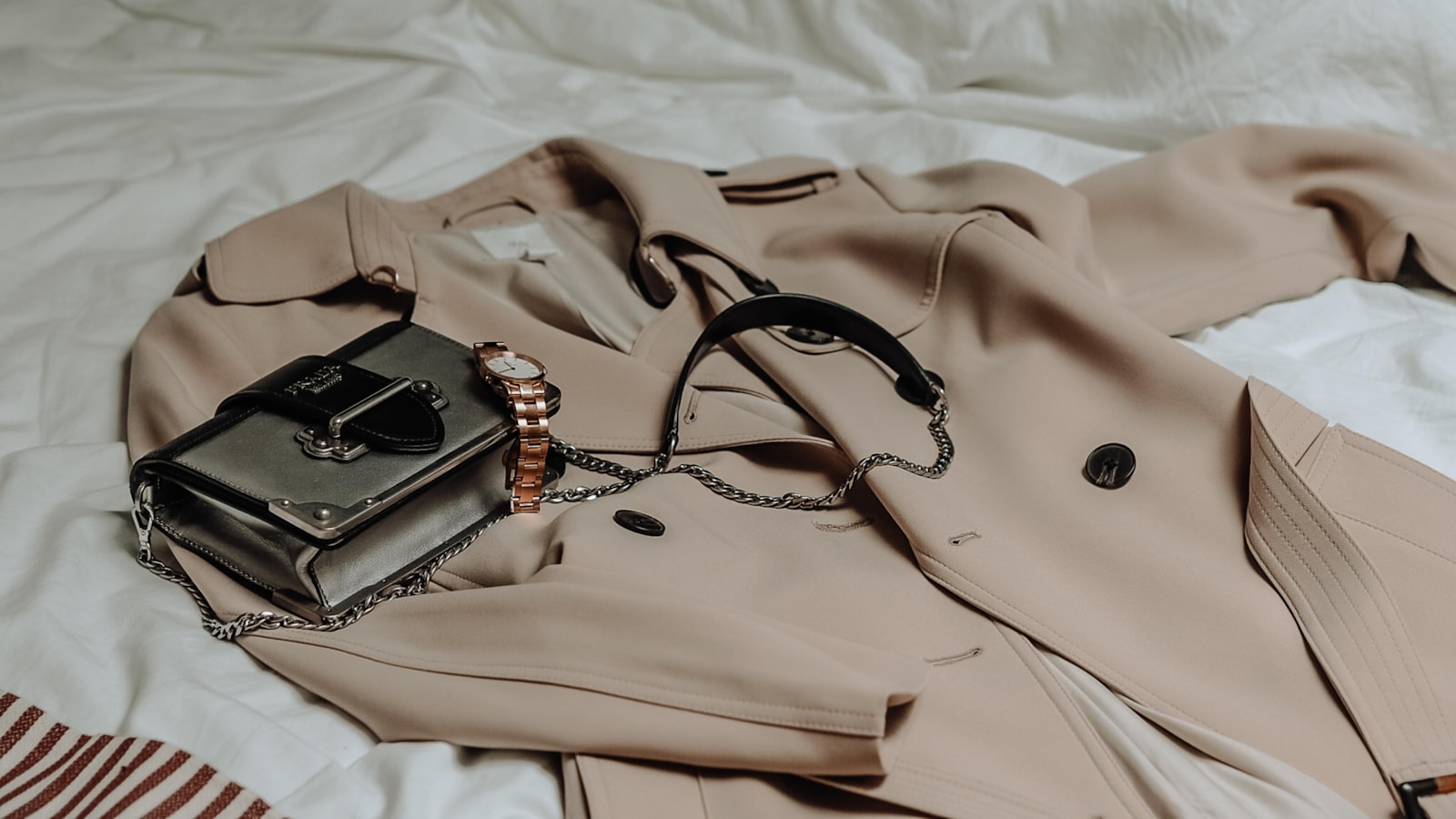
In an era of hybrid work models, global connectivity, and evolving cultural norms, navigating dress codes is no longer as simple as knowing when to wear a suit or when jeans are acceptable. From coffee shop meetings to corner offices, attire has become an expressive tool as much as a social signal. Understanding dress codes—from casual to corporate—is about more than adhering to outdated rules; it’s about interpreting context, honoring professionalism, and cultivating personal style with intention.
Whether you’re stepping into a job interview, attending a networking brunch, or figuring out how to look sharp on Zoom, decoding dress codes is essential. Not only does appropriate attire affect how others perceive you—it influences how you feel and perform. This essay explores the spectrum of dress codes, offering insight into their modern meanings, how to dress accordingly, and why mastering this sartorial spectrum is more relevant than ever.
The Casual Conundrum: When Relaxed Doesn’t Mean Sloppy
The casual dress code is the most ambiguous—and, ironically, the most misunderstood. Often mistaken as a green light for anything-goes attire, casual dress still calls for thoughtfulness, especially in professional settings or public environments.
What It Means Now: Casual dress usually refers to comfortable, informal clothing appropriate for social situations or relaxed workplaces. Think well-fitted jeans, T-shirts, polo shirts, sneakers, sundresses, or loafers.
Modern Guidelines:
Fit is King: Even in the most relaxed settings, poorly fitted clothing undermines the look. A tailored pair of jeans and a crisp cotton T-shirt will always outshine oversized hoodies and worn-out leggings.
Avoid Overly Distressed Items: While some fashion-forward environments may welcome distressed denim, holes and frays often read as too informal or careless.
Keep It Intentional: Casual doesn’t mean careless. Iron your clothes, choose pieces that reflect your style, and don’t neglect accessories like a good belt or clean shoes.
Best For: Creative industries, startup offices, travel, casual Fridays, coffee catch-ups, or off-duty events.
Smart Casual: The Everyday Power Player
Smart casual is where most professionals live today—particularly in modern offices, networking events, and semi-formal social gatherings. It’s an upgrade from casual without being rigid.
What It Means Now: Smart casual blends relaxed staples with more polished elements. You might pair chinos with a tucked-in button-up, or wear a structured blazer over a knit top and dark denim.
Modern Guidelines:
Balance Comfort and Polish: A cotton dress with structured accessories, or a sweater with tailored trousers, hits the sweet spot.
Add One Elevated Piece: Think leather loafers, a silk scarf, a sleek watch, or a crisp blazer—just one polished item can transform your outfit.
Keep Sneakers Sleek: In some smart casual settings, minimalist sneakers are acceptable, but they should be clean, neutral, and styled deliberately.
Best For: Tech industry offices, casual client meetings, dinner dates, gallery openings, or workplace events with undefined dress codes.
Business Casual: The Modern Office Standard
Once considered a contradiction, business casual has become the prevailing dress code in most contemporary office environments. It retains professionalism while allowing room for comfort and style.
What It Means Now: Business casual generally means no jeans or shorts, but also no need for suits and ties. Blouses, tailored pants, pencil skirts, cardigans, button-downs, and loafers are typical.
Modern Guidelines:
Stick to Neutral Tones: While not required, muted colors and classic patterns convey a professional tone.
Focus on Structure: Even soft fabrics should maintain a silhouette. Slouchy cardigans are best balanced with crisp shirts or structured trousers.
Layer Thoughtfully: A blazer over a knit top, or a sharp vest over a shirt, adds depth without formal rigidity.
Best For: Most office environments, interviews for non-corporate roles, conferences, and everyday professional attire.
Business Formal: The Traditional Professional Uniform
Reserved for high-level meetings, law firms, financial institutions, and executive settings, business formal signals authority and traditional professionalism.
What It Means Now: Suits (with ties for men), formal blouses or button-ups, closed-toe shoes, hosiery, and minimal accessories dominate this code. For women, a tailored dress with a blazer or a suit with trousers or a skirt is expected.
Modern Guidelines:
Tailoring is Everything: A well-fitting suit trumps an expensive one. Get your clothing tailored to ensure shoulders, sleeves, and hems are correct.
Minimize Distraction: Accessories, patterns, and colors should be understated. Navy, black, grey, and white are your go-tos.
Invest in Shoes: Polished leather shoes or classic pumps ground the outfit and convey maturity and competence.
Best For: Legal proceedings, boardroom meetings, finance interviews, client presentations, and corporate-level networking events.
Creative Professional: Stylish Yet Strategic
In fashion, media, design, and other artistic fields, dressing well is often part of the job. However, the challenge lies in expressing style without overstepping professional boundaries.
What It Means Now: This code encourages individuality through color, silhouette, and texture while maintaining polish. A patterned shirt with wide-leg trousers, a monochrome suit in an unexpected hue, or layered jewelry with a sleek midi dress all fit the bill.
Modern Guidelines:
Statement Pieces are Welcome: Graphic prints, bold colors, and unique silhouettes are encouraged—but keep the overall look cohesive.
Don’t Neglect Grooming: While you may be wearing sneakers or oversized shapes, neat hair, thoughtful accessories, and clean tailoring make the look purposeful.
Anchor with a Classic Item: Pair wild prints with a black blazer, or wear sneakers with tailored separates to maintain balance.
Best For: Creative agency offices, design interviews, fashion events, editorial teams, and advertising firms.
Remote Dress Codes: Dressing from the Waist Up
The rise of remote work brought a fresh twist to office dress codes—professionalism now lives largely above the keyboard. But this doesn’t mean you should disregard attire altogether.
What It Means Now: Business-casual-from-the-waist-up, often blending smart tops with comfortable bottoms. Blouses, collared shirts, and clean knits rule the Zoom grid.
Modern Guidelines:
Focus on the Upper Half: Bright colors or interesting necklines enhance video presence. Avoid overly busy patterns that pixelate on camera.
Maintain Grooming: Hair, minimal makeup, and posture still play a big role in professional perception online.
Keep It Real: Pairing a crisp shirt with soft trousers is more common than you think—and totally acceptable.
Best For: Virtual meetings, interviews, and hybrid workdays.
Why Dress Codes Still Matter
In a world increasingly tolerant of self-expression, why do dress codes still exist? Because they communicate respect, social awareness, and context. They aren’t about suppressing individuality—they’re about matching energy and aligning expectations.
Dressing well doesn’t mean being the best-dressed in the room—it means dressing with purpose. When you understand a setting’s dress culture, you blend in just enough to be accepted and stand out just enough to be remembered.
Tips for Navigating Any Dress Code with Style
Always Research First: Check the company’s website, social media, or employee photos to gauge attire.
Default Upward: When in doubt, it’s safer to overdress slightly than underdress. You can always remove a blazer or tie if needed.
Accessorize for Personality: If the dress code is strict, let your accessories carry your personality—jewelry, watches, bags, and shoes go a long way.
Comfort is Non-Negotiable: Confidence stems from feeling good. Invest in fabrics and fits that support movement and breathability.