Over the past few years, the traditional idea of workwear has been rewritten—sometimes quietly, sometimes radically—as the world’s workforce migrated from corner offices to kitchen tables, and conference rooms to video calls. The global work-from-home shift didn’t just change how and where we work—it transformed how we dress. But far from devolving into endless days of pajamas and messy buns, a new dress code emerged from the blurred boundaries between work and life: Work-from-Home Chic.
This new style era is defined not by rigid suits or formal pumps, but by a curated blend of comfort, functionality, and elevated ease. It isn’t about dressing down for work—it’s about dressing differently. This essay explores the birth and rise of work-from-home chic staples, how they’ve reshaped power dressing, and why they’re here to stay long after the last Zoom meeting ends.
The Death of the Power Suit and the Birth of Power Comfort
For decades, the professional wardrobe was designed around office visibility. Crisp white shirts, sharply tailored blazers, pencil skirts, and pointed heels projected competence and authority. But with the shift to remote work, dressing for someone else’s gaze—your boss, your clients, your coworkers—became less relevant. Instead, people began dressing for themselves.
This shift wasn’t about laziness. In fact, many professionals found that staying in pajamas all day negatively impacted productivity and motivation. The response? A wardrobe built on what we now call “power comfort”—a hybrid aesthetic that balances structure with softness. Think stretchy knit sets with refined silhouettes, luxe fabrics like cashmere and bamboo jersey, and house shoes that look as elegant as they feel.
Comfort became the new power dressing, and people began realizing they could show up as their best selves without sacrificing ease.
Key Staples of the WFH-Chic Wardrobe
The staples of this aesthetic are a carefully curated mix of versatility, polish, and comfort. These are the pieces that dominate the modern home office—functional enough for productivity, stylish enough for video calls, and cozy enough to transition seamlessly into downtime.
- Elevated Knitwear
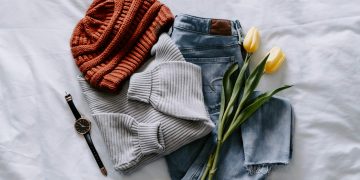
Soft knits became the reigning monarch of remote workwear. Coordinated knit sets, ribbed sweater dresses, and oversized cardigans offered a tactile luxury that felt indulgent but put-together. In a world where your waist-up appearance mattered most, the right knit top became the new blazer—structured enough to imply professionalism, relaxed enough to avoid stiffness. - Tailored Joggers and Wide-Leg Lounge Pants
Gone are the days of baggy sweatpants as the default. Instead, joggers got a glow-up. Brands reimagined them with pleated fronts, tapered ankles, and luxe fabrics. Wide-leg lounge pants in neutral tones—cream, camel, slate—offered movement and sophistication, replacing traditional trousers with something far more forgiving and fashionable. - Button-Up Shirts with a Twist
Crisp shirts remained, but they softened in fabric and silhouette. Linen, chambray, and even silk-cotton blends became popular. Many were designed slightly oversized or with dropped shoulders for a more relaxed fit. Worn half-tucked, layered over tanks, or tied at the waist, these shirts kept a hint of the boardroom while embracing home comfort. - Zoom-Worthy Tops
Let’s be honest—video calls made the upper half of your outfit the hero. Blouses with puff sleeves, mock-neck tops, minimalist turtlenecks, and statement sweaters became go-to choices. Details like ruffles, textures, and subtle prints allowed wearers to express personality within the confines of a screen rectangle. - House Shoes, Slippers, and Socks with Style
Footwear took a turn toward quiet luxury. Instead of old slippers, people invested in shearling-lined slides, wool clogs, and indoor mules that felt more intentional. These shoes weren’t just comfortable—they completed the look. Add a pair of cozy cashmere-blend socks, and even your feet were part of the fashion conversation. - Accessories for Personality and Presence
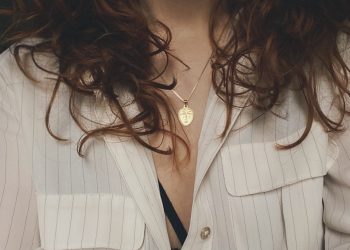
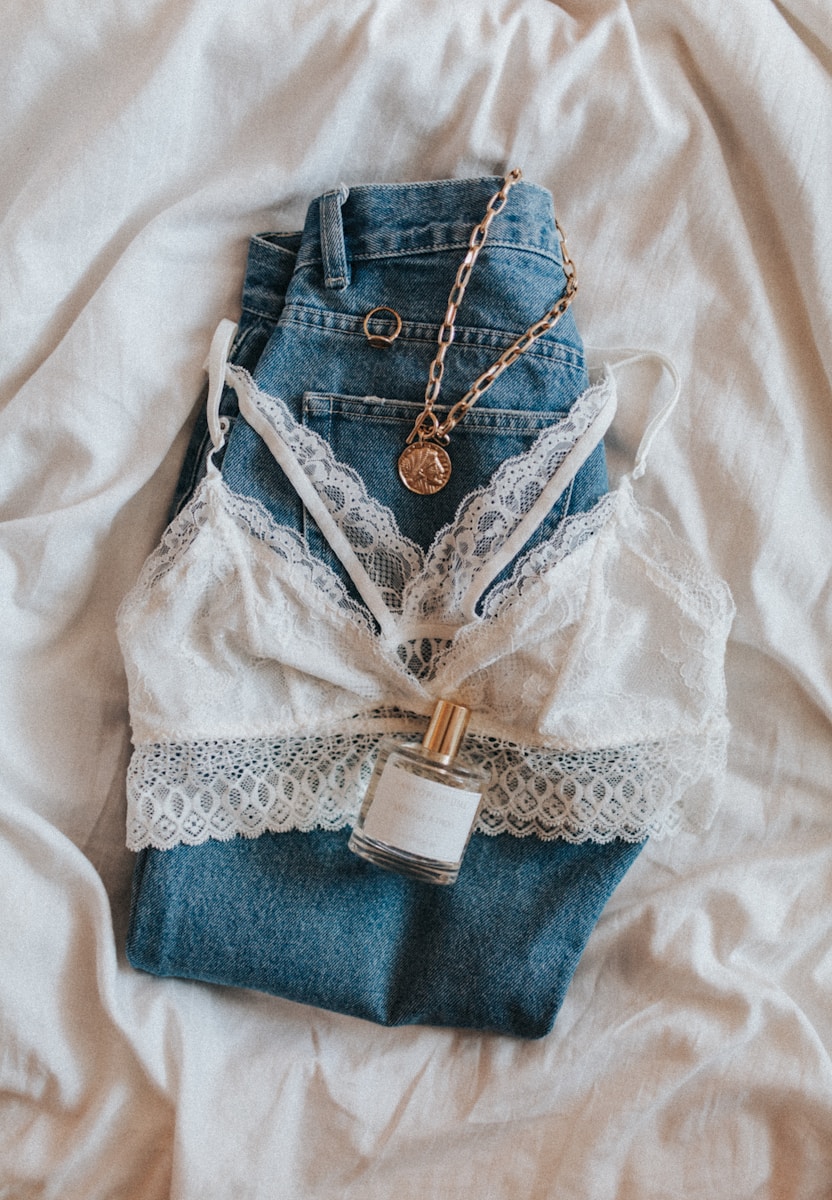
Earrings, headbands, and layered necklaces became subtle statements in a remote world. With limited space to show personal style, accessories pulled focus. A headband polished unwashed hair, while small hoops or a delicate chain added personality and intention without being overbearing.
The Psychology Behind WFH Fashion
Why did people gravitate toward this particular style evolution instead of defaulting entirely to loungewear or returning to traditional dress codes? The answer lies in human psychology.
Clothing has always influenced mindset. What we wear affects our confidence, focus, and social interaction. Researchers call it enclothed cognition—the idea that our clothing can prime our psychological processes. Dressing in structured, thoughtfully chosen pieces, even at home, helped people maintain boundaries between “work mode” and “rest mode.”
WFH-chic also gave people control. In uncertain times, the ability to choose clothing that supported both emotional well-being and productivity was a subtle yet empowering act.
Blurred Boundaries: The Rise of Hybrid Fashion
As remote work slowly gave way to hybrid models, fashion responded yet again. Brands began designing “third-way” clothing—garments that transition effortlessly from Zoom calls to grocery runs, from home desks to shared workspaces. Pieces like shacket-style outerwear, monochrome knit co-ords, and minimalist jumpsuits started to define this new era.
These are garments with enough structure to leave the house but enough comfort to return home without changing. They’re multi-functional, low-maintenance, and stylishly neutral. They align with a lifestyle where the commute might be optional, but the style is not.
Influence of Social Media and Fashion Influencers
Platforms like Instagram and TikTok accelerated the popularity of work-from-home chic. Influencers shared OOTD videos showing off ribbed lounge sets with gold jewelry, or how to layer a robe coat over leggings for a morning walk. Pinterest boards filled with tonal outfit grids—greige, oatmeal, soft blush—helped define the color palette of pandemic-era style.
Suddenly, “cozy” and “professional” weren’t opposites—they were goals to be balanced.
From Trend to Timeless: Why WFH-Chic Is Here to Stay
Far from a passing phase, work-from-home chic has evolved into a long-term shift in how we view fashion. As our homes have become multi-functional spaces—offices, gyms, classrooms, sanctuaries—our clothing has followed suit. We now value pieces that are adaptable, sustainable, and emotionally supportive.
Brands have taken note. Entire collections are now dedicated to soft tailoring, indoor-outdoor sets, and stylish separates made for movement. We are entering an era where fashion is more about how we live than where we go.