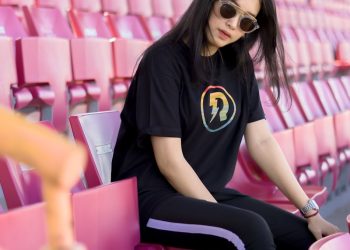

In recent years, the world of fashion has witnessed a remarkable transformation. High-street collaborations, where high-end designers team up with fast-fashion brands, have become a major trend, shaping how we consume and experience clothing. These collaborations bring together the best of both worlds: luxury and accessibility. As the fashion landscape continues to evolve, it’s important to look at the brands and designers making waves through these unique partnerships. From affordable yet high-quality designs to the democratization of luxury, these collaborations are a key part of what’s making modern fashion more inclusive and diverse than ever before.
The Rise of High-Street Collaborations
The concept of collaboration between high-end designers and fast-fashion brands isn’t new, but its prevalence and success have skyrocketed in recent years. Fast fashion’s rapid production cycles allow brands to produce affordable pieces that mimic the styles seen on designer runways, but collaborations take this concept further. By working with established designers, high-street brands can create collections that combine exclusive aesthetics with mass-market appeal.
One of the first major examples of this trend was H&M’s partnership with Karl Lagerfeld in 2004. The collection was a game-changer, bringing the Swedish brand global attention and introducing the idea that designer fashion could be accessible to a broader audience. Since then, other collaborations—such as H&M’s partnerships with Versace, Balmain, and more recently, Simone Rocha—have only added to the phenomenon’s momentum. Similarly, other brands like Uniqlo, Zara, and ASOS have followed suit with their own designer collaborations.
The success of these collaborations lies in their ability to offer a rare mix of high-fashion design at a fraction of the price. For fashion lovers who can’t afford the astronomical price tags of luxury labels, collaborations serve as an opportunity to own a piece of the high-fashion world.
Why Consumers Are Drawn to High-Street Collaborations
There are several reasons why consumers are increasingly drawn to high-street collaborations. The primary factor is affordability. Luxury items are often out of reach for the average person, but collaborations make designer pieces more attainable. This democratization of fashion allows people to experience the craftsmanship, design, and prestige of high-end fashion without spending an entire paycheck.
Moreover, collaborations allow fast-fashion brands to elevate their design offering, often including unique materials, cutting-edge trends, and superior craftsmanship. In turn, designers can reach an audience that they might not otherwise have access to, particularly with younger, more price-conscious shoppers. This results in a symbiotic relationship between both parties: high-street brands gain prestige, while designers expand their reach.
Another compelling factor is exclusivity. High-street collaborations are often released in limited quantities, creating a sense of urgency among consumers. This scarcity drives demand, and items often sell out within hours or days. Owning a piece from such a collection becomes a point of pride, symbolizing that the consumer has access to something special.
Trendsetters to Watch
As the demand for high-street collaborations continues to grow, several brands and designers stand out for their innovative and exciting partnerships. Let’s look at some of the collaborations that are currently shaping the fashion landscape.
- H&M x Mugler: A Bold and Iconic Partnership
H&M’s recent collaboration with the French fashion house Mugler is one to watch. Known for its bold, body-positive, and futuristically structured designs, Mugler’s high-street collaboration redefined what affordable fashion could look like. The collection, which featured glamorous, curve-enhancing silhouettes and edgy accessories, proved that high fashion and high-street collaborations could be both inclusive and innovative.
Mugler’s influence on the fashion industry, with its glamorous yet daring aesthetic, was fully translated into the H&M collection. This was a departure from the typical fast-fashion collaborations we often see, as it offered a more avant-garde approach to everyday clothing. The collaboration gained attention from fashion insiders, influencers, and the general public, proving that H&M is committed to bringing high-end design to the masses.
- Uniqlo x Jil Sander: Minimalism Meets Affordability
Uniqlo’s long-standing partnership with Jil Sander represents a marriage of two essential elements: Japanese functionality and European minimalism. Uniqlo, a brand renowned for its everyday wear, has teamed up with the iconic German designer Jil Sander to create minimalist clothing that combines understated elegance with practicality.
This collaboration stands out because of its focus on quality materials and the minimalist philosophy that both brands share. The resulting pieces, such as sleek outerwear, simple knitwear, and tailored trousers, offer timeless investment items at accessible prices. Uniqlo’s partnership with Jil Sander has set the bar for how collaborations can focus on longevity and quality over fleeting trends, making it an ideal choice for consumers seeking classic pieces.
- Zara x Karl Lagerfeld: The Legacy of Luxury Meets High Street
Zara has become a leading player in the high-street collaboration game, with its 2020 partnership with Karl Lagerfeld standing out as one of its most successful ventures. Lagerfeld’s name and iconic design signatures, such as his sharp tailoring, leather pieces, and monochrome color palettes, were incorporated into Zara’s affordable clothing range, which allowed the fashion giant to cater to consumers looking for high-end design with a more approachable price tag.
The collection’s success wasn’t just in the design—Zara’s ability to quickly bring these designer-inspired pieces to market meant that the brand could capture the current trend wave before it passed. By combining Lagerfeld’s timeless sense of chic with Zara’s fast-fashion business model, this collaboration made high-quality, luxury-inspired pieces available to anyone who wanted them.
- Adidas x Balenciaga: Streetwear Meets Luxury
The collaboration between Adidas and Balenciaga is one of the most exciting intersections of streetwear and high fashion. Balenciaga, led by Demna Gvasalia, has become a trailblazer in the luxury streetwear market, while Adidas continues to dominate sportswear. Their partnership resulted in the creation of footwear and apparel that merges the high-end, oversized street style of Balenciaga with the utilitarian appeal of Adidas.
This collection speaks to the current trend of blending streetwear aesthetics with high fashion. Oversized sneakers, tracksuits, and hoodies were elevated by the use of high-quality materials and bold branding. What made this collaboration special was the unexpected nature of the partnership—few people anticipated such a pairing, making the collection feel fresh and innovative. Adidas x Balenciaga speaks directly to the growing interest in the hybridization of luxury with casual, everyday wear.
The Impact of High-Street Collaborations on Fashion Culture
High-street collaborations have fundamentally changed how we approach fashion, especially for younger generations. The traditional model of fashion—where luxury brands remained exclusive and elite—is evolving. The proliferation of collaborations has democratized style, making fashion more inclusive and accessible. No longer do consumers need to be wealthy to indulge in designer pieces. With collaborations, everyone has the chance to experience a piece of luxury.
These partnerships also help to bring more attention to emerging designers and trends. For example, collaborations with lesser-known designers or brands can spark a global conversation and increase their visibility. Consumers get to experience new aesthetics, and designers can access a much larger customer base, driving growth and opportunities within the fashion ecosystem.
Furthermore, these collaborations have prompted an increased focus on sustainability. As brands recognize the importance of environmental responsibility, many collaborations have adopted eco-friendly practices. For instance, recycled materials, low-impact dyes, and sustainable manufacturing processes are becoming common features of collaborative collections, signaling that both high-street and luxury brands are aware of their environmental responsibilities.