
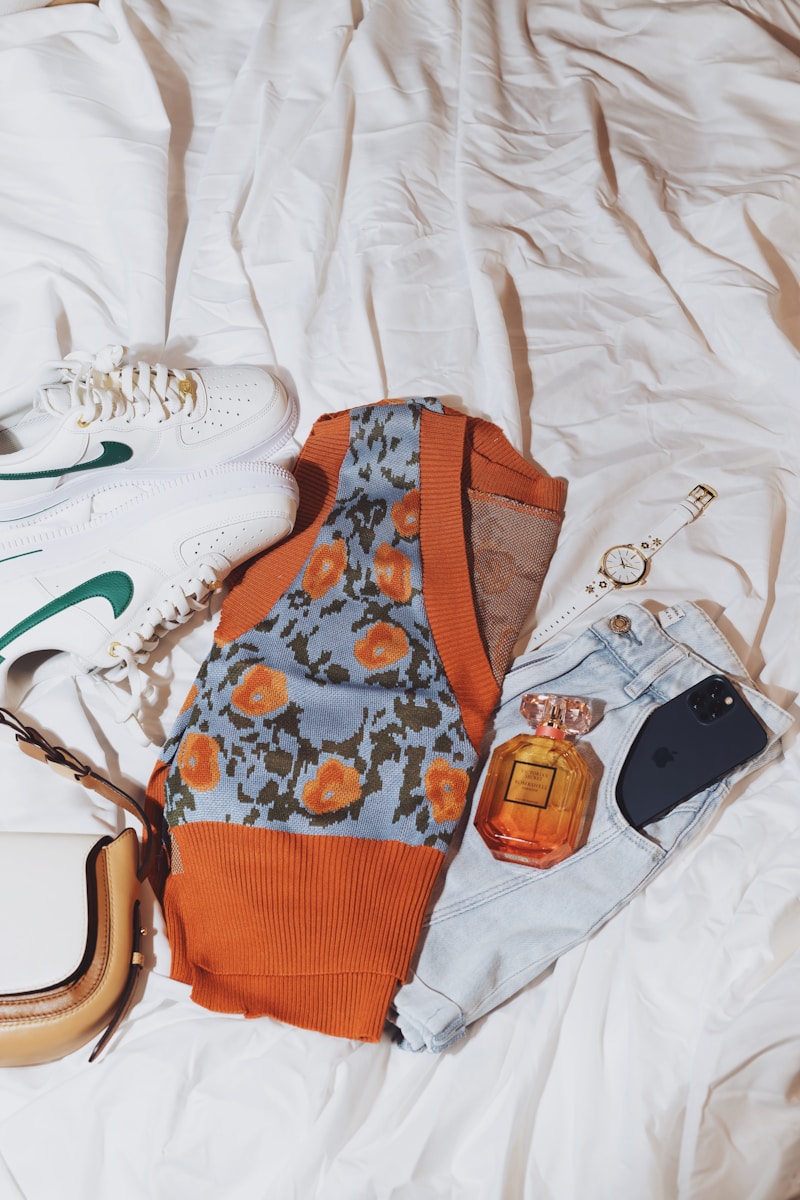
In the age of global exploration, where fashion meets function and convenience merges with culture, travelers demand more from their wardrobes than ever before. No longer content with clunky shoes or uncomfortable soles that hinder adventure, the stylish jet-setter seeks footwear that adapts across destinations, climates, and dress codes. And one shoe has quietly stepped into the spotlight, fusing tradition, elegance, and ease: the espadrille.
Far from being just a seasonal summer slip-on, espadrilles have evolved into a year-round essential for travelers. With their lightweight construction, breathable materials, and adaptable silhouettes, these shoes offer more than meets the eye. Whether winding through cobblestone streets in Barcelona, lounging on Santorini terraces, or navigating airport terminals, espadrilles are proving they’re more than a beachside basic—they’re global wardrobe workhorses.
This essay delves into the cultural heritage of espadrilles, their rise in modern travel fashion, the qualities that make them ideal for globetrotters, and how to style them seamlessly across diverse settings.
The Timeless Origin of Espadrilles
Before becoming Instagram darlings or boutique must-haves, espadrilles held humble roots. Originating from the Pyrenees region between France and Spain, espadrilles were once worn by peasants and laborers as affordable, breathable footwear. Traditionally crafted with a jute rope sole and a cotton or canvas upper, they offered durability and comfort—two attributes essential to life under the Mediterranean sun.
For centuries, espadrilles remained utilitarian, even symbolic of simplicity and the working class. It wasn’t until the 20th century that they caught the attention of fashion designers and style icons. In the 1940s, Hollywood starlets like Lauren Bacall brought them into mainstream consciousness. By the 1970s, Yves Saint Laurent introduced a high-fashion espadrille wedge, elevating the shoe from rustic to refined.
Today, espadrilles walk a unique line between laid-back charm and cosmopolitan edge—qualities that make them perfect for modern travel.
Why Espadrilles Make the Ultimate Travel Companion
What makes a good travel shoe? Ask any seasoned traveler, and the checklist usually includes comfort, versatility, lightweight structure, easy packing, and cultural adaptability. Espadrilles hit all these marks—and then some.
- Lightweight and Packable
Espadrilles are famously light. Thanks to their jute or cork soles and flexible uppers, they take up minimal space in luggage and can be tucked into carry-ons without adding bulk. Unlike heavy boots or stiff loafers, they don’t demand careful packing, nor do they weigh down a traveler on the go. - Breathable and Climate-Appropriate
Designed for sun-drenched climates, espadrilles offer a breathable alternative to sneakers or leather shoes. Their natural fibers—especially cotton, linen, and jute—allow airflow and prevent the overheating or blistering often caused by synthetic materials in warm weather. - Versatile Styling
From beachside cafés to city strolls, espadrilles blend seamlessly across settings. A pair of neutral-toned slip-ons can pair with linen trousers, maxi dresses, denim shorts, or casual suits. Their minimalist profile makes them a blank canvas for personal styling, adapting to casual days or more elevated evenings. - Easy On, Easy Off
Frequent flyers appreciate the convenience of espadrilles in airport security lines. Without complex buckles or laces, they can be slipped off and on in seconds—no fuss, no delay. For train travel and car rides alike, they offer unmatched ease and comfort. - Support Without Rigidity
Many modern espadrilles feature cushioned insoles or rubber-reinforced soles that improve support without compromising flexibility. This makes them more walking-friendly than flat sandals, and more forgiving than structured dress shoes.
Espadrilles Across Borders: Fashion Without Frontiers
Espadrilles are perhaps the only shoe that can appear equally at home in a Parisian garden, a Greek island, and a bustling South American plaza. Their global appeal lies in their cultural neutrality. Though born in Spain and France, they have been adopted and reinterpreted by artisans and designers worldwide.
In Italy, espadrilles are styled with high-waisted shorts and silk scarves for an effortless Riviera aesthetic.
In Mexico, embroidered espadrilles echo regional textile traditions and add a handcrafted flair.
In Morocco, leather-hybrid espadrilles merge with babouche designs, creating a fusion of Mediterranean and North African sensibilities.
In Japan, minimalist espadrilles are styled with wide-legged pants and kimonos for a modern take on traditional silhouettes.
As such, espadrilles serve not just as a travel shoe, but as a cultural chameleon—absorbing and reflecting the aesthetics of each place they go.
Types of Espadrilles and How to Wear Them
Espadrilles are no longer a monolithic category. Today’s market offers a wide range of styles suited to different travelers and preferences.
- The Classic Slip-On
Flat, round-toe espadrilles in canvas or cotton are the quintessential version. Ideal for daytime exploration, they pair with everything from linen shorts to rompers. Neutral tones like sand, olive, navy, or ivory ensure maximum compatibility. - The Lace-Up
These tie around the ankle, lending a romantic, almost Grecian vibe. Paired with midi skirts or cropped jeans, lace-ups add drama without discomfort. They are ideal for evenings out in resort towns or summer festivals. - The Platform Espadrille
For those seeking height without sacrificing comfort, platform espadrilles offer lift with stability. These work well with maxi dresses or culottes and are perfect for seaside dinners or rooftop gatherings. - The Espadrille Sneaker Hybrid
Combining the best of both worlds, these designs fuse sneaker comfort with espadrille materials. They’re ideal for urban explorers who prioritize foot support without giving up style. - The Wedge Espadrille
Elegant yet easy to walk in, wedge espadrilles are perfect for transitional moments—from business-casual settings to date nights. A tan or black pair can replace heels in warm weather without looking underdressed.
Care and Longevity
While espadrilles are sturdy, they require some TLC to stay in top condition—especially for repeat travelers.
Avoid soaking them in water, as jute and rope soles can warp or unravel when wet.
Use a suede or canvas protector spray before your trip to shield from stains and dirt.
Spot clean with a soft cloth and mild soap—never machine wash.
Let them air dry completely before storing to prevent mildew.
If cared for properly, a pair of high-quality espadrilles can last multiple travel seasons.
Sustainability and Slow Travel
As conscious travel becomes more popular, so does the demand for ethical, sustainable fashion. Espadrilles—particularly those made by artisans or in small batches—fit beautifully into this slow fashion ethos.
Many are handmade using traditional methods and biodegradable materials, offering a low carbon footprint. Supporting brands that partner with local craftspeople not only ensures ethical labor but helps preserve cultural craftsmanship.
When travelers invest in a durable, versatile pair of espadrilles rather than buying cheap, disposable footwear, they’re making a sustainable choice that aligns with mindful exploration.